Livestock Sector: A Key Driver for “Viksit Bharat @ 2047”
India’s livestock sector has emerged as a powerful pillar of the rural economy, contributing significantly to agricultural GDP, employment, and nutritional security. As the country moves toward its ambitious vision of “Viksit Bharat @ 2047”, the role of livestock becomes increasingly important in ensuring inclusive and sustainable growth.
For more insights on agriculture and rural development, explore our latest research and policy articles
Backbone of the Rural Economy
Livestock farming is deeply integrated into the lives of millions of rural households, especially small and marginal farmers. Unlike crop agriculture, it provides regular and stable income throughout the year.
Activities such as dairy farming, poultry, goat rearing, and fisheries not only support livelihoods but also reduce risks associated with unpredictable weather and crop failures. This makes livestock a crucial component of sustainable agriculture systems.
Contribution to Agricultural GDP
The livestock sector contributes nearly one-third of India’s agricultural GDP, making it one of the fastest-growing segments in the economy.
Its growth helps:
- Diversify income sources
- Reduce dependency on crop farming
- Strengthen rural financial stability
Ensuring Nutritional Security
With rising concerns of malnutrition, livestock products such as milk, eggs, and meat serve as rich sources of protein, vitamins, and essential nutrients.
Expanding this sector can significantly improve:
- Child nutrition
- Women’s health
- Overall food security
Women Empowerment & Employment
Livestock farming plays a key role in empowering rural women. A large portion of livestock-related activities—feeding, milking, and care—is managed by women.
This leads to:
- Increased employment opportunities
- Financial independence
- Stronger rural households
Role in Achieving “Viksit Bharat @ 2047”
The livestock sector can accelerate India’s development journey through:
- Doubling farmers’ income via diversified revenue
- Boosting exports of dairy and animal products
- Promoting sustainable agriculture through integrated farming
- Enhancing climate resilience with improved breeds
- Adopting modern technologies like AI-based animal health monitoring
You can also explore similar innovations in our Agri-Tech section.
Challenges in the Livestock Sector
Despite its vast potential, the sector faces several challenges:
- Low productivity of indigenous breeds
- Inadequate veterinary services
- Shortage of quality fodder
- Weak market linkages and storage systems
Sustainable livestock practices also contribute to ecosystem balance. Read more about ecosystem services in India.
Way Forward: Strengthening the Sector
To unlock its full potential, India must focus on:
- Genetic improvement and breed development
- Strengthening veterinary infrastructure
- Promoting scientific fodder cultivation
- Expanding cold chain and processing facilities
- Encouraging cooperative models like Amul
These reforms align with broader agriculture policy and rural development strategies.
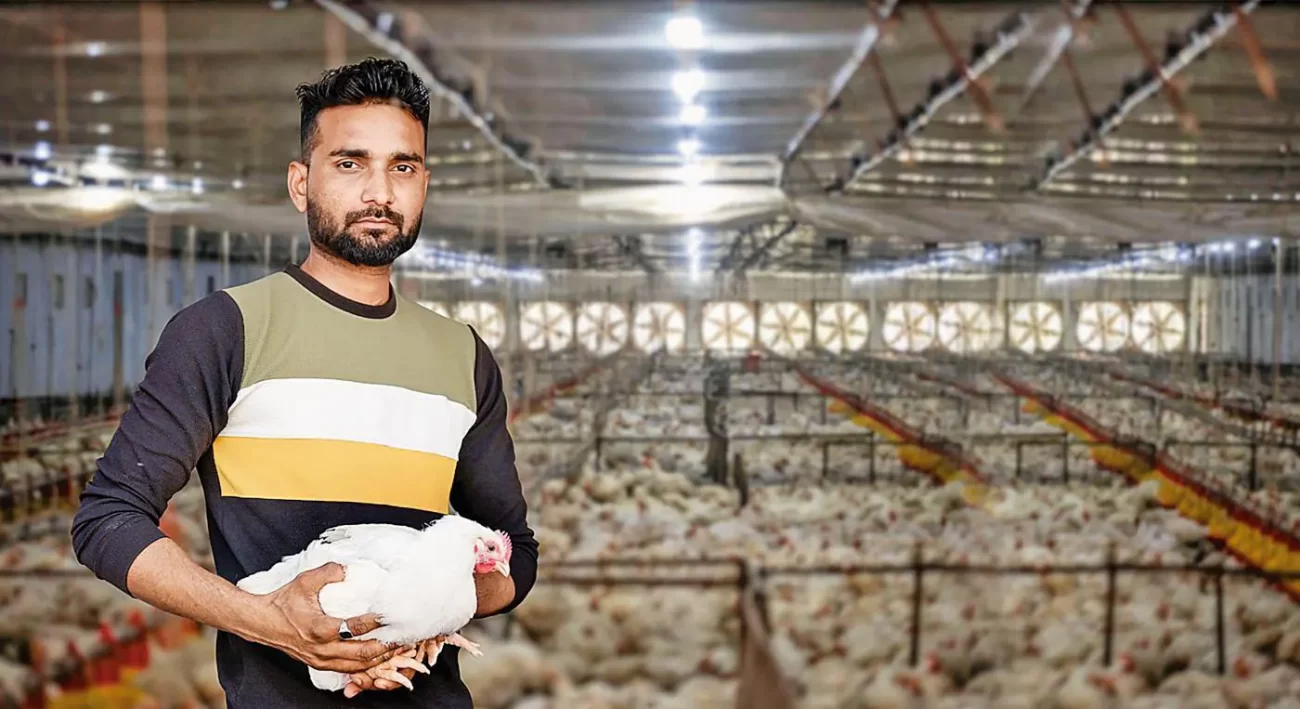
Examples of Livestock
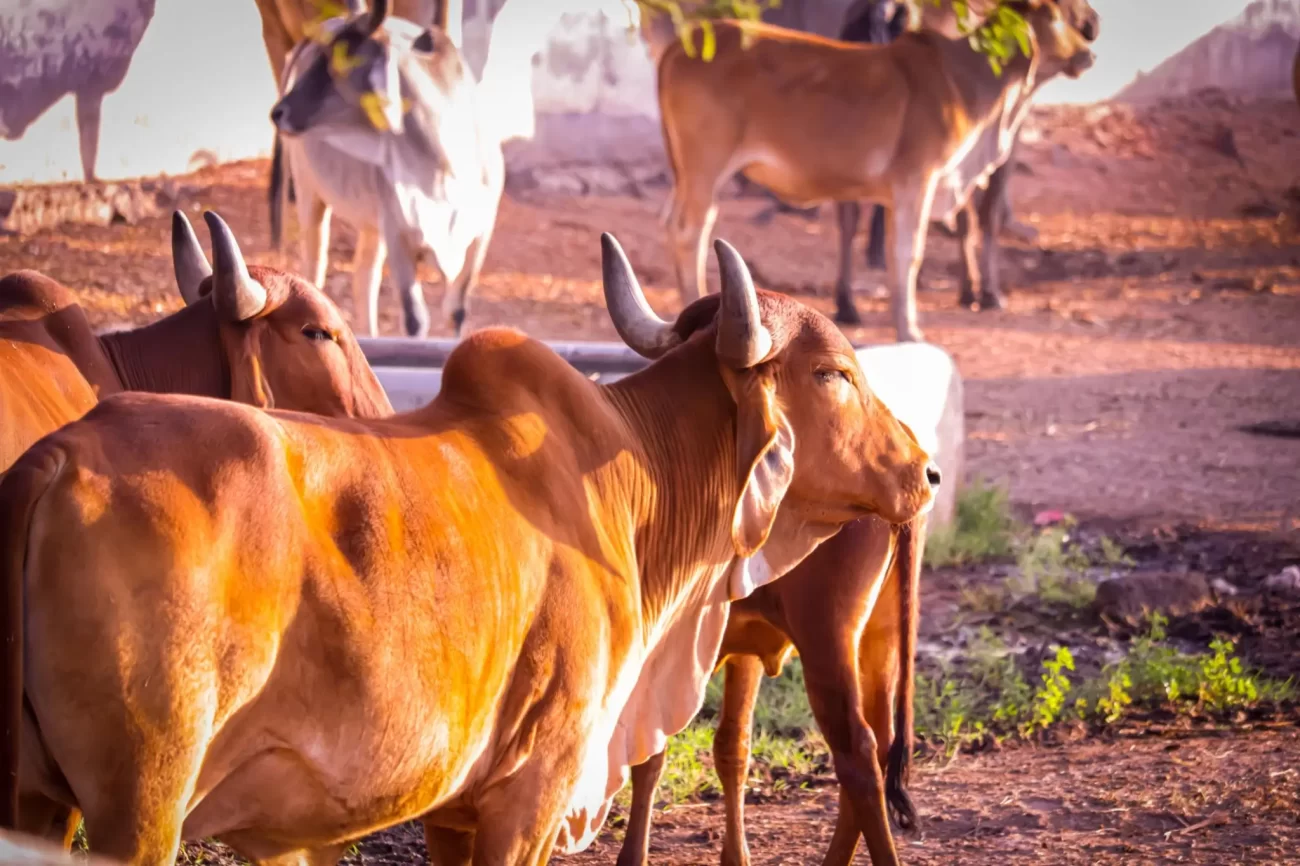
- Cattle (cow, buffalo)
- Sheep and goats
- Poultry (chicken, duck)
- Pigs
- Horses and camels
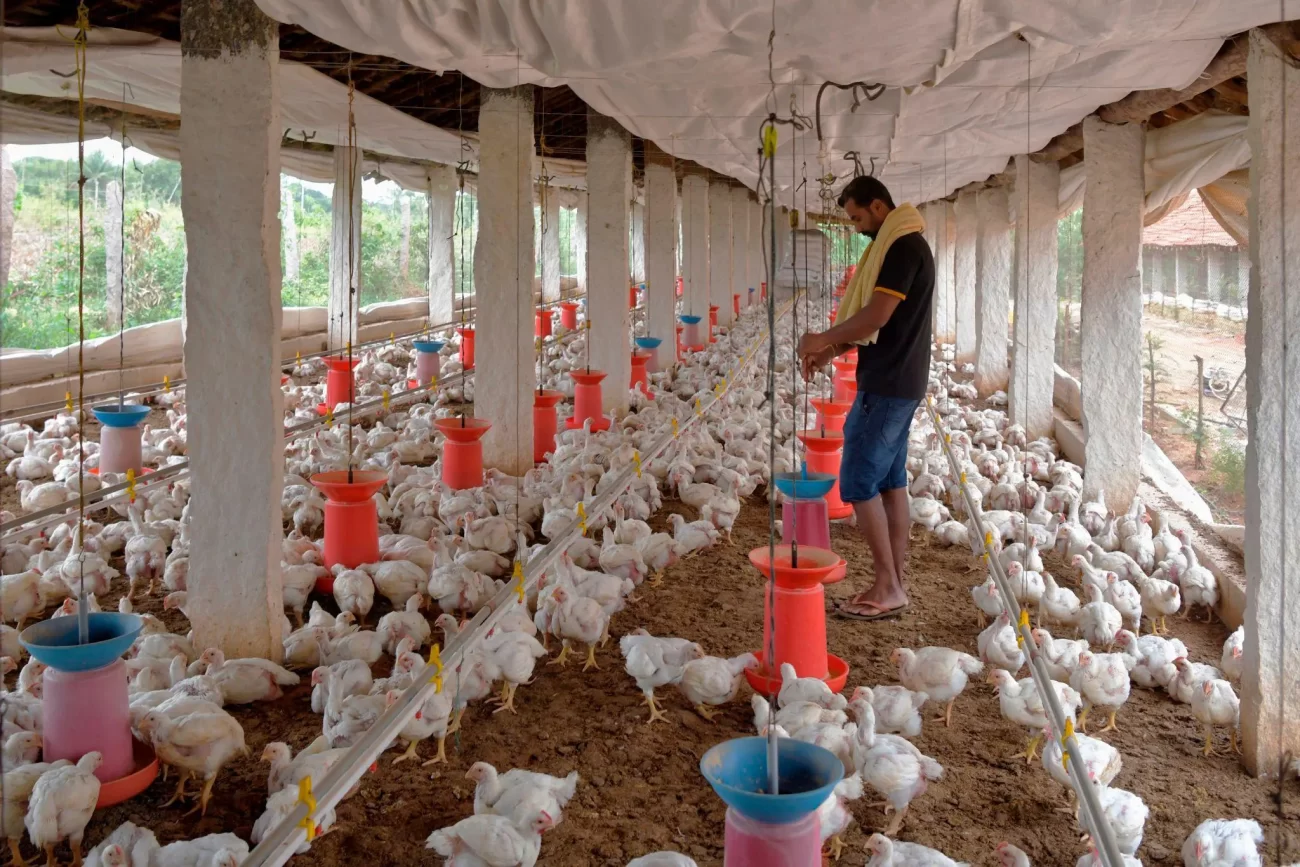
Importance of Livestock
- Provides food (milk, meat, eggs)
- Supports income and employment
- Supplies raw materials (wool, leather)
- Assists in farming (ploughing, transport)
Conclusion
The livestock sector is more than just an allied agricultural activity—it is a growth engine for rural prosperity and national development.
With strategic investments, policy support, and technological innovation, this sector can play a transformative role in achieving the vision of “Viksit Bharat @ 2047”, ensuring economic growth, food security, and improved livelihoods for millions.