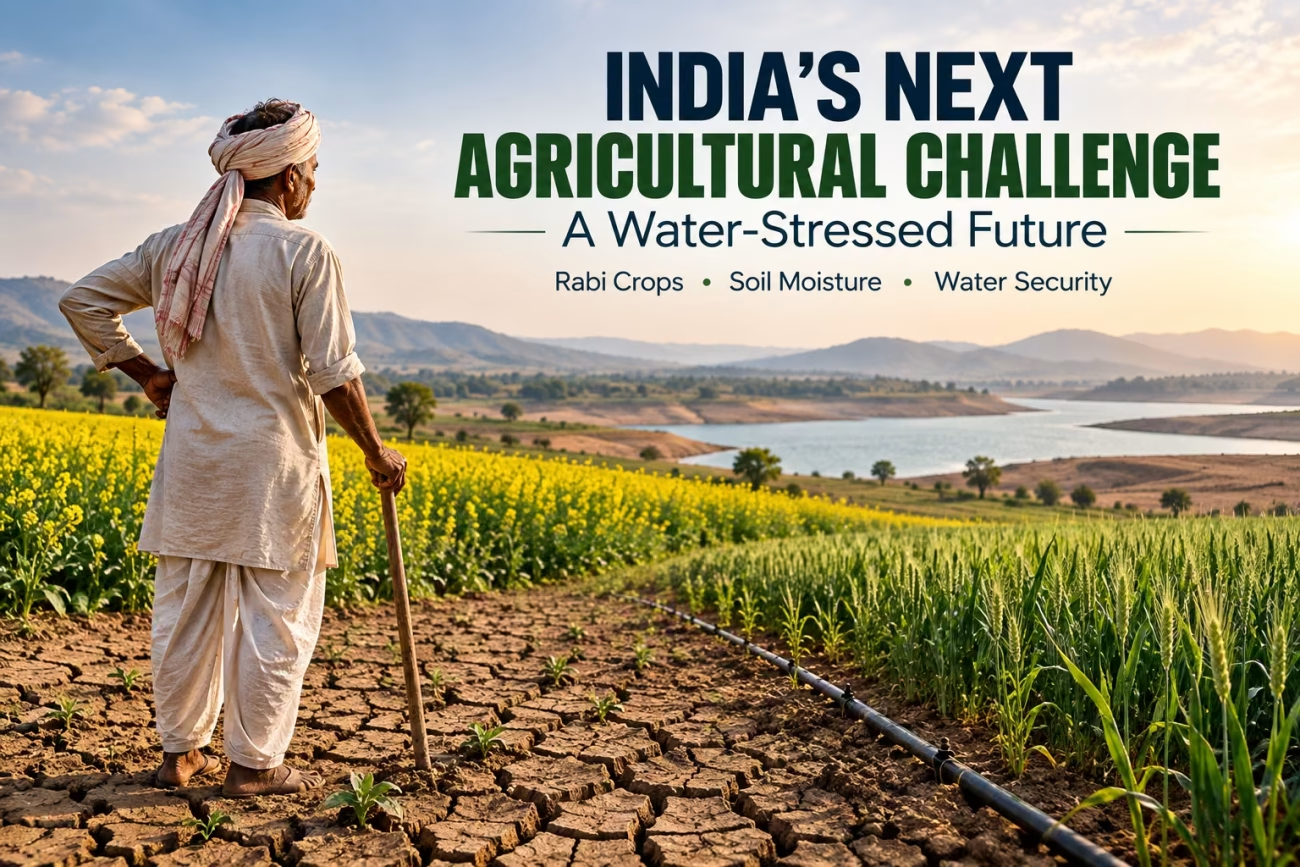
India’s agricultural outlook is entering a crucial transition. On 15 October 2026, the India Meteorological Department (IMD) announced the withdrawal of the Southwest Monsoon from the entire country, while the Northeast Monsoon set in over South Peninsular India. The timing is important because it marks the beginning of a new phase in the agricultural calendar: the transition from the monsoon-dependent Kharif season to the winter Rabi season.
But does the withdrawal of the monsoon mean India is facing a rainfall deficit? Not necessarily. The withdrawal date alone cannot establish whether the country has received deficient rainfall. To assess the real agricultural risk, we must examine cumulative monsoon rainfall against its long-period average, regional rainfall distribution, reservoir storage, groundwater availability and the moisture remaining in agricultural soils.
The bigger question is whether India can maintain healthy Rabi crops through the coming months, particularly wheat, mustard, chickpea, lentil, barley and other winter crops, if post-monsoon rainfall proves inadequate.
The data confirms a serious monsoon deficit
The answer is now clearer: India did experience a significant rainfall deficit during the 2026 Southwest Monsoon season. According to the reported IMD figures, the country received 759.4 mm of rainfall against a long-period average (LPA) of 868.6 mm between June and September. This represents a shortfall of approximately 109.2 mm, or 13%.
INDIA’S SOUTHWEST MONSOON 2026
Actual rainfall
759.4 mm
Long-period average
868.6 mm
Rainfall received
87%
Seasonal deficit
13%
Source: IMD figures reported by The Indian Express, 1 October 2026. LPA is based on the 1971–2020 average.
The national average, however, does not tell the whole story. Rainfall was unevenly distributed across the country.
- 38% of India’s geographical area — 282 districts — reportedly received deficient rainfall.
- Punjab, Assam, Meghalaya and Arunachal Pradesh experienced deficient seasonal rainfall.
- Parts of Marathwada, Vidarbha and northern Karnataka experienced prolonged dry spells.
- The southern peninsular states also ended the season with rainfall deficits.
This unevenness matters more to agriculture than the national figure alone. A district that receives heavy rain in a few days may still suffer from dry spells during critical crop-growth stages. Likewise, normal rainfall in one state cannot compensate for depleted soil moisture or poor reservoir storage in another.
Why the Rabi season is particularly vulnerable
Rabi crops are generally sown from October to December and harvested during spring, although timing varies by crop and region. Unlike Kharif crops, which depend heavily on the summer monsoon, Rabi crops rely on a combination of residual soil moisture, irrigation and winter rainfall.
The 2026 monsoon deficit creates three interconnected risks.
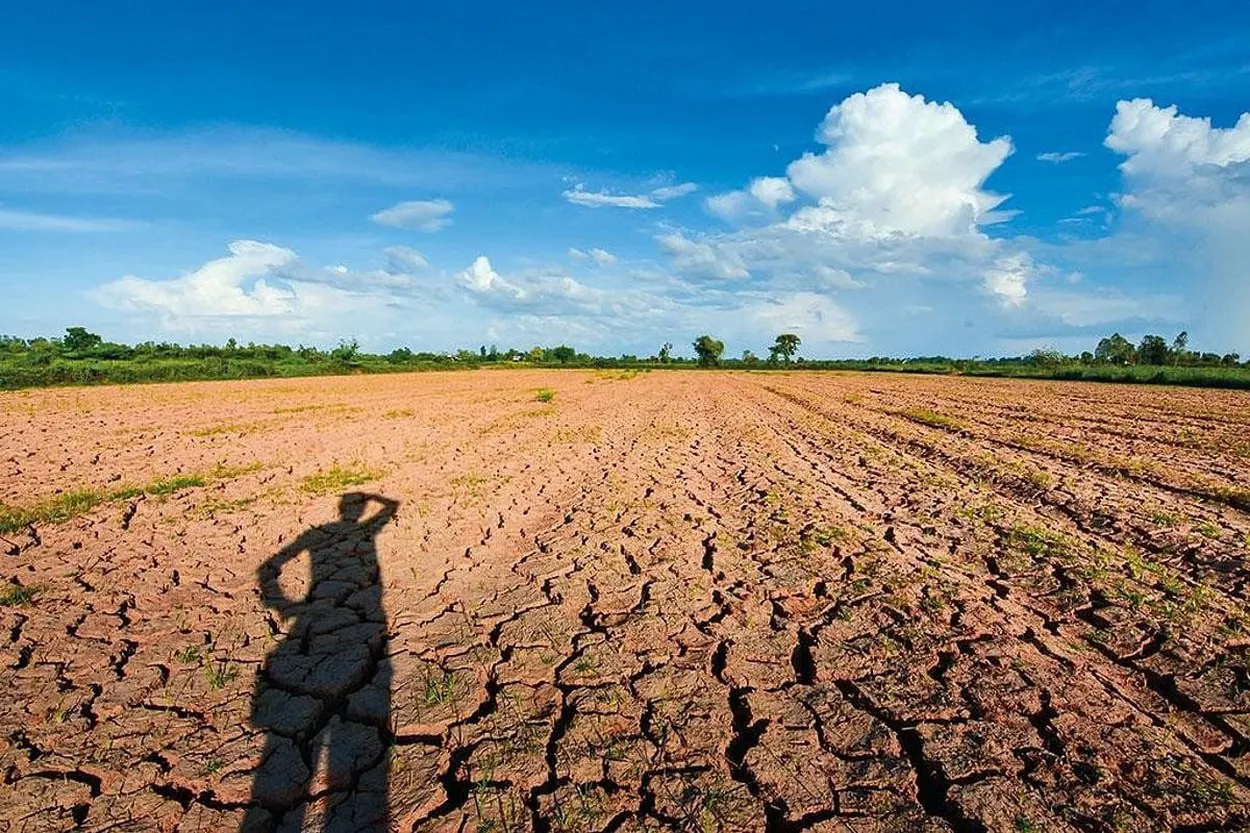
1. Reduced soil moisture
If the soil profile has not been adequately recharged, farmers may struggle to establish wheat, mustard and pulses uniformly. Poor germination and weak early root development can reduce crop potential before the main growing season begins.
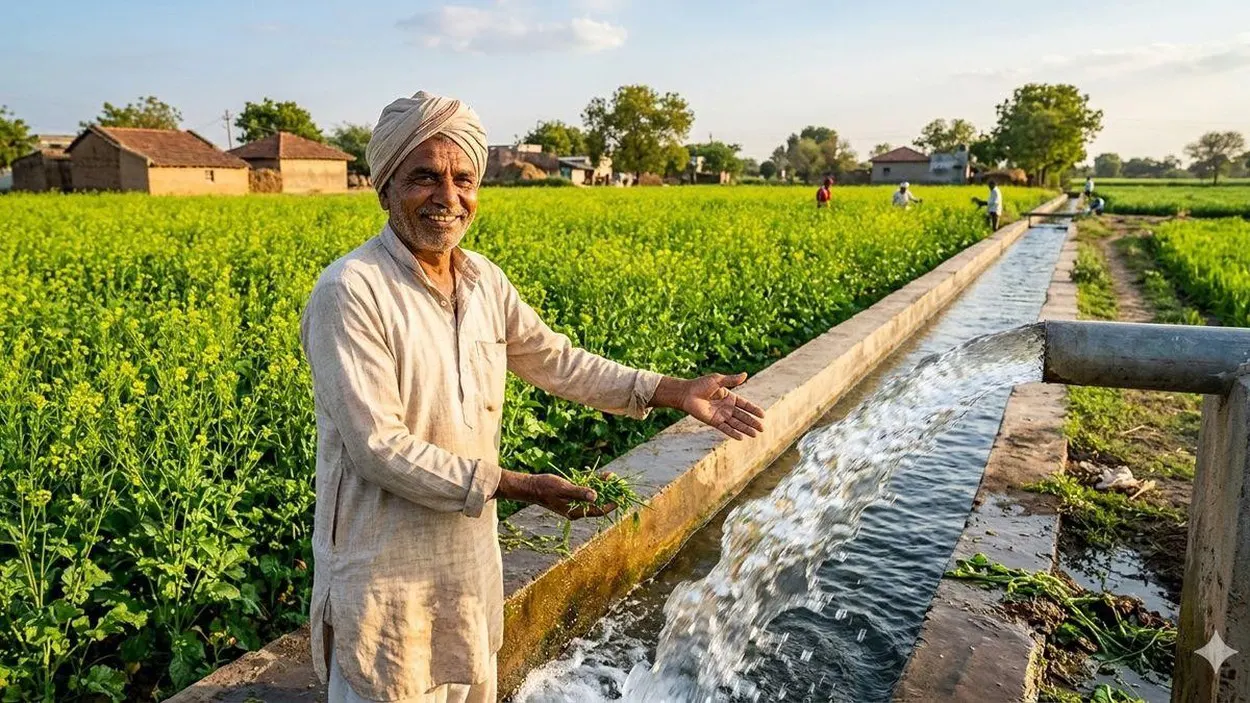
2. Pressure on irrigation water
Lower reservoir storage and falling groundwater levels can restrict the number and timing of irrigations. ICRA’s 1 October assessment highlighted below-historical-average reservoir storage, with the southern region particularly exposed at 24 percentage points below its historical average.

ICRA An Affiliate of Moody’s
3. Higher production costs and yield uncertainty
Farmers may need additional pumping, more frequent irrigation or alternative sowing arrangements. These raise production costs, especially for small and marginal farmers who have limited access to reliable irrigation.
The concern is not simply whether Rabi sowing will take place. It is whether farmers can maintain adequate moisture throughout the crop’s life cycle, particularly during flowering, grain formation and other moisture-sensitive stages.
Which Rabi crops face the greatest risk?
The impact will depend on the crop, location, soil type and availability of irrigation. A rainfall deficit does not automatically mean a poor harvest, but it increases the importance of timely sowing and careful water management.
| Rabi crop | Main risk in 2026–27 | Recommended response |
| Wheat | Poor establishment, inadequate irrigation and terminal heat risk later in the season | Timely sowing, locally recommended varieties and irrigation at critical stages |
| Mustard and rapeseed | Poor emergence and moisture stress during flowering and seed formation | Conserve soil moisture, sow at the recommended time and avoid unnecessary irrigation |
| Chickpea (gram) | Poor germination in dry soil; stress during flowering and pod formation | Use stored soil moisture efficiently and avoid waterlogging |
| Lentil (masur) | Uneven emergence and reduced branching under moisture stress | Timely sowing, moisture conservation and suitable varieties |
| Barley | Poor establishment in dry fields, although some varieties tolerate limited water better than wheat | Choose locally suitable varieties and manage irrigation according to crop need |
| Potato and winter vegetables | Uneven emergence, reduced tuber growth and higher irrigation costs | Use efficient irrigation and maintain consistent root-zone moisture |
These are agronomic risk assessments, not forecasts of actual yield losses. Crop-specific outcomes will become clearer as sowing progresses and field conditions are assessed.
How can India protect Rabi crop health in the coming months?
The most effective response is not to wait for a rainfall crisis. India needs a district-level strategy that combines water budgeting, crop diversification, weather advisories and access to appropriate seeds.
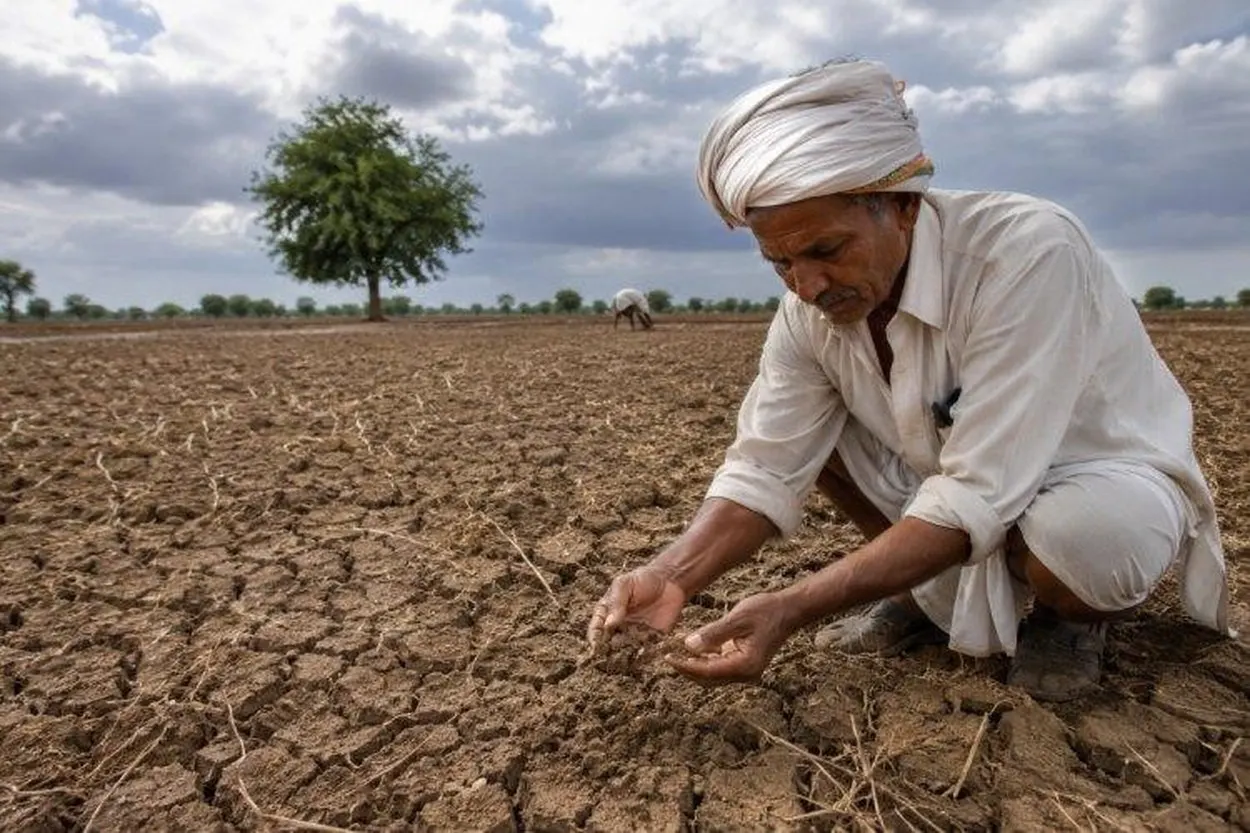
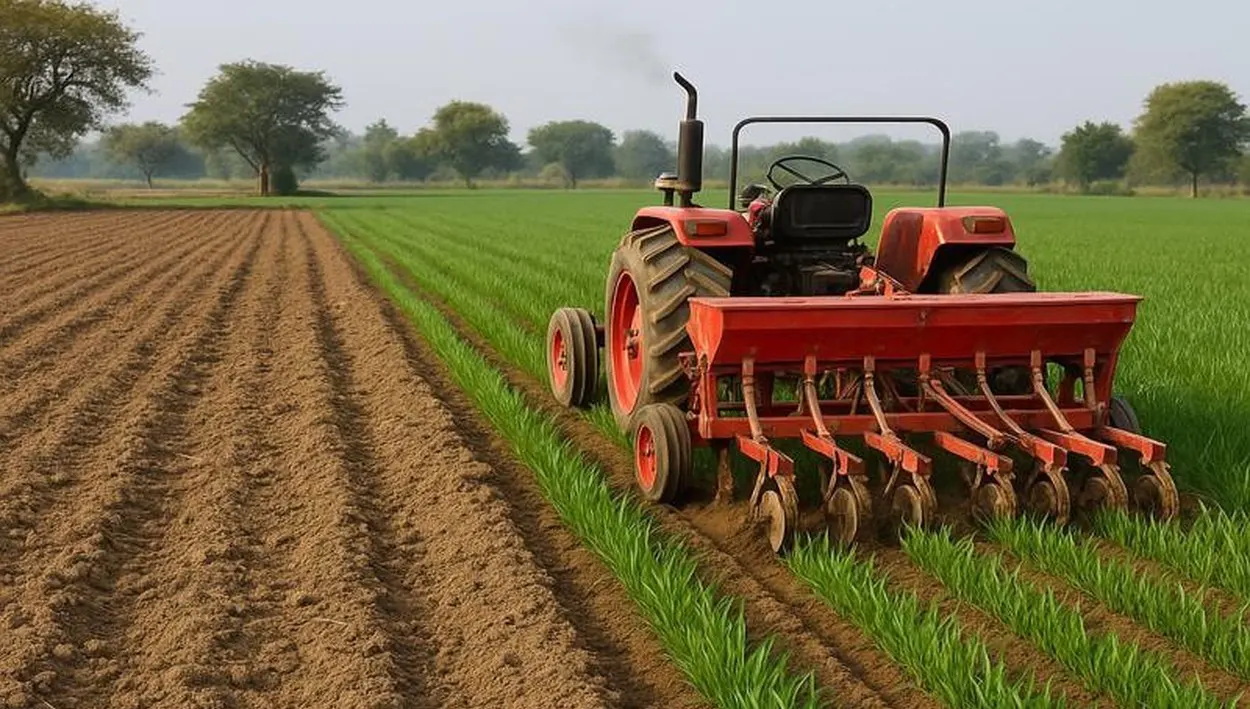
A. Assess soil moisture before sowing
Farmers should assess field moisture and local soil conditions before deciding when to sow. Dryland farmers should avoid sowing solely on the expectation of rain. Where possible, light pre-sowing irrigation can support uniform germination, provided adequate water is available.
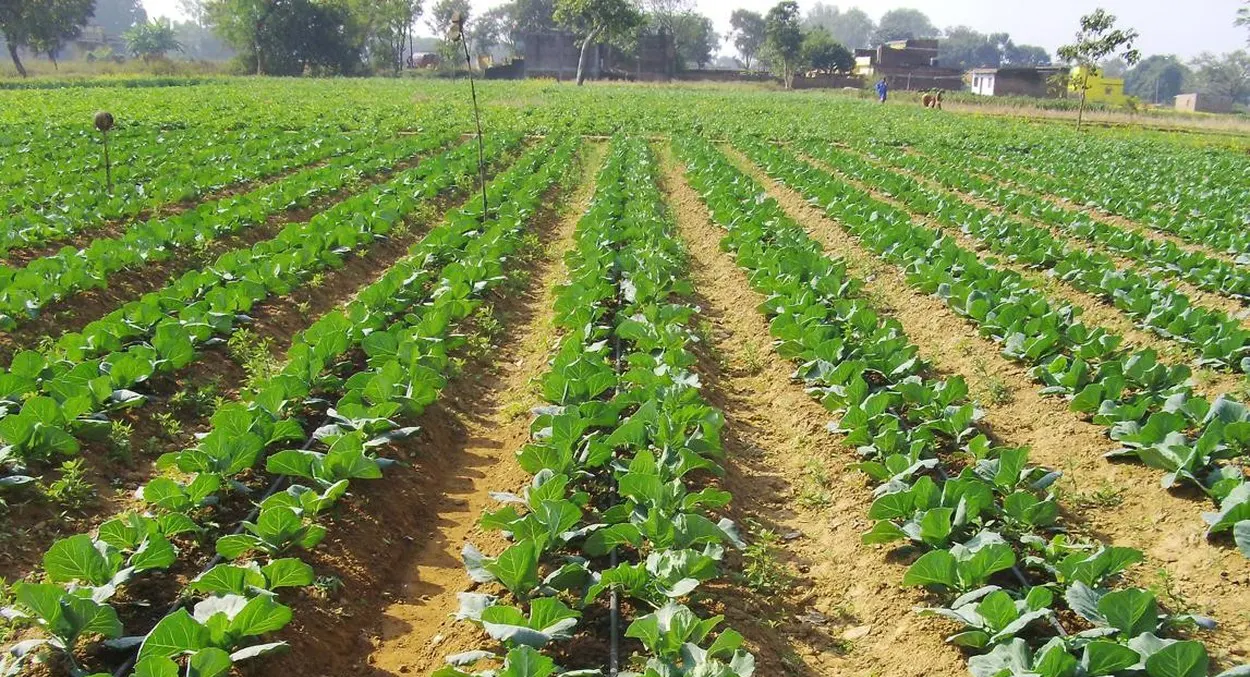
B. Prioritise irrigation rather than simply increasing it
Irrigation water should be allocated according to crop stage and expected yield response. Drip and sprinkler systems, where appropriate, can improve water-use efficiency. In wheat, irrigation at critical stages such as crown-root initiation can be especially important; timing should follow local agricultural recommendations and field moisture.
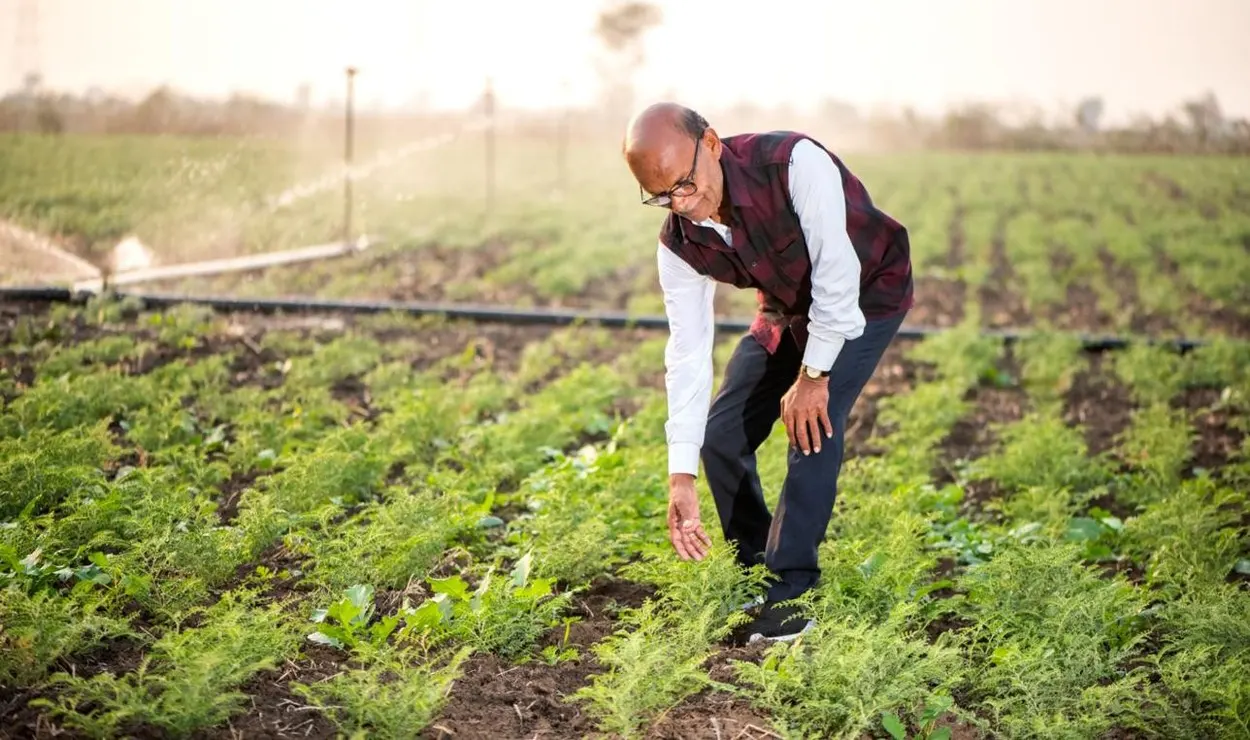
C. Diversify crops in water-stressed districts
Where wheat requires more irrigation than available resources can support, farmers can consider locally suitable pulses, mustard, barley or other less water-demanding alternatives. The choice must reflect local markets, soil conditions, temperatures and seed availability—not a blanket nationwide shift.
D. Preserve every useful drop of moisture
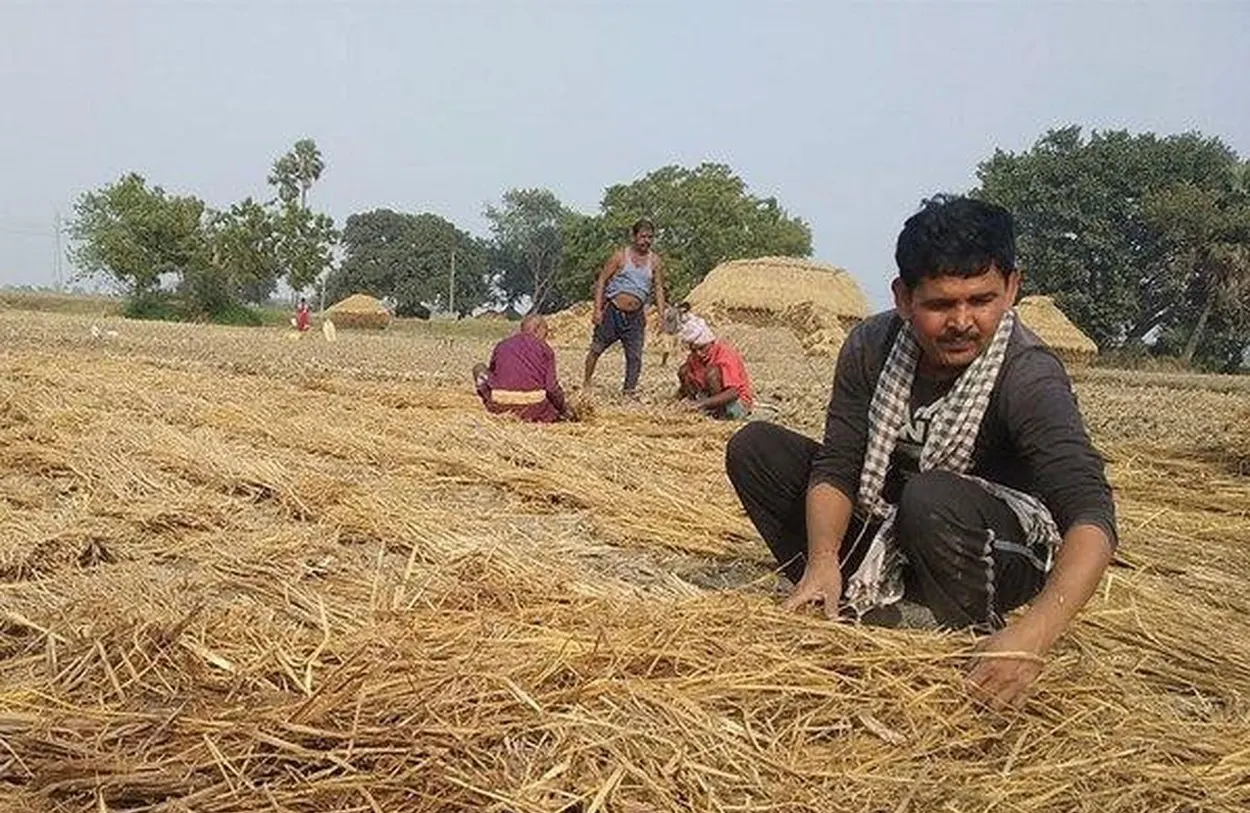
Residue retention, mulching where suitable, reduced unnecessary tillage, weed control and improved field levelling can help conserve moisture. Farm ponds, check dams and rainwater harvesting should be used to capture suitable rainfall for later use, where technically and environmentally feasible.
E. Strengthen district-level preparedness
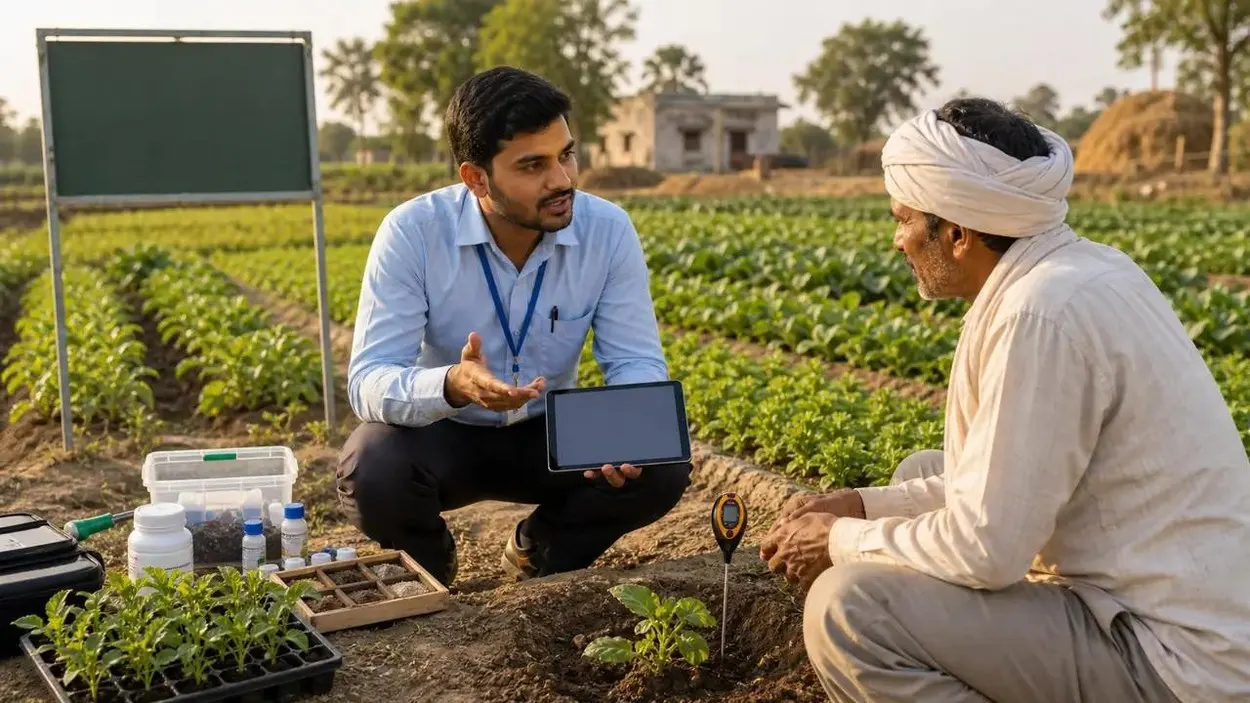
State agriculture departments, Krishi Vigyan Kendras and extension workers should issue timely advisories on sowing windows, seed choices, irrigation and pest management. Contingency crop plans should be activated in districts facing severe moisture stress. India’s agricultural forecasting system already recognises the importance of irrigation, groundwater, reservoir levels, sowing-period rainfall and growing-season weather in estimating crop area, production and yield. These variables need to be monitored together, rather than treating monsoon rainfall as the sole predictor of the Rabi harvest.
Regional outlook: One national strategy will not be enough
Northwest India: Punjab, Haryana, Uttar Pradesh and Rajasthan
The wheat and mustard outlook will depend on local soil moisture, canal supplies, groundwater availability and winter temperatures. In irrigation-dependent districts, timely access to water will be critical. In rainfed areas, sowing decisions must account for the moisture actually available in the field.
Central India: Madhya Pradesh, Maharashtra and adjoining regions
Chickpea, lentil and mustard can be important alternatives where water is limited, subject to local suitability. Dryland districts need particular attention to seed availability, conservation of residual moisture and the risk of long dry spells.
Southern India: Tamil Nadu, Karnataka, Andhra Pradesh and Telangana
The Northeast Monsoon is especially important to parts of southern India. The IMD’s seasonal outlook indicated normal October–December rainfall over South Peninsular India overall, while much of the rest of the country was expected to receive below-normal post-monsoon rainfall.
This offers a potential source of relief, but a seasonal forecast is not a guarantee of adequate rain in every district. Reservoir management, rainfed crop planning and flood preparedness must proceed together.
Eastern India and the Himalayan region
Rice-based Rabi systems, pulses, oilseeds and winter vegetables will face different local conditions. In eastern districts with insufficient residual moisture, sowing may require supplementary irrigation. In Himalayan areas, soil moisture, temperature, frost risk and the local length of the growing season are equally important.
What does the Northeast Monsoon mean for India’s water security?
The onset of the Northeast Monsoon is an important development, especially for Tamil Nadu and neighbouring parts of southern India. It provides a second seasonal rainfall window after the Southwest Monsoon.
However, three distinctions are essential:
- Rainfall is not the same as water availability. Heavy rain that runs off rapidly may provide less lasting benefit to groundwater and reservoirs than rainfall that infiltrates the soil.
- National averages conceal regional shortages. Rainfall in southern India cannot directly solve an irrigation deficit in Punjab, Rajasthan or Madhya Pradesh.
- A normal seasonal forecast does not ensure normal agricultural outcomes. The distribution of rain across weeks and districts, reservoir inflows and actual field conditions determine the benefit.
India should therefore combine rainfall forecasts with weekly monitoring of reservoir storage, groundwater conditions, soil moisture and sowing progress. The latest official rainfall and reservoir bulletins should guide decisions, rather than assumptions based only on the date of monsoon withdrawal. The IMD’s monsoon information portal and the Unified Portal for Agricultural Statistics are useful sources for monitoring these developments.

India Meteorological Department
The food-security and farmer-income implications
A weak monsoon can affect agriculture beyond the immediate Kharif season. If Rabi sowing area contracts or yields fall, the effects may reach wheat, pulses and oilseed supplies, farm incomes and food prices.
ICRA’s October 2026 assessment warned that deficient rainfall and low reservoir storage could weigh on Rabi sowing and agricultural output. It also revised its forecast for agricultural gross value added growth in FY2026–27 to around 1.0%, down from 1.3%. This is an economic forecast, not a confirmed estimate of the Rabi harvest.
ICRA An Affiliate of Moody’s
The policy response should focus on:
- Making quality seeds of locally suitable and short-duration varieties available on time.
- Providing reliable, affordable irrigation access to vulnerable farmers.
- Expanding agricultural extension and district-level weather advisories.
- Ensuring crop-insurance access and timely settlement of eligible claims.
- Monitoring food stocks and market prices while avoiding premature predictions of shortages.
- Supporting water conservation and efficient irrigation infrastructure over the longer term.
There is also an important equity issue. Farmers with private borewells, reliable electricity and access to canal water are generally better positioned to respond to rainfall shortages than farmers who depend entirely on rain. Any strategy to protect Rabi production must address this difference.
Conclusion: Will India’s Rabi crops remain healthy?
India’s Rabi season is beginning under a genuine weather-related challenge. The reported 13% Southwest Monsoon deficit, combined with uneven rainfall and concerns about reservoir storage, raises the risk of poor crop establishment, restricted irrigation and reduced yields in vulnerable districts.
But a deficient monsoon does not automatically translate into a failed Rabi season. The final outcome will depend on how effectively India manages the water it has, how quickly farmers receive suitable crop advisories, and whether rainfall during the coming months arrives in useful amounts and at the right time.
The immediate priority is to protect soil moisture, prioritise irrigation at critical crop stages, promote suitable crop diversification and monitor the condition of wheat, mustard and pulses from sowing through harvest.
The central lesson is that India’s Rabi crop health will depend not only on how much rain the country has received, but also on how wisely it manages water after the monsoon. Water security, resilient farming practices and timely agricultural support will determine whether the 2026–27 winter season can withstand the rainfall deficit.
Data note: The rainfall figures above describe the June–September 2026 Southwest Monsoon season. District-level Rabi sowing, updated reservoir storage and crop-condition data will be needed to quantify the actual impact on production. The article distinguishes reported observations from risks and forecasts; it does not assume a nationwide Rabi crop failure.