
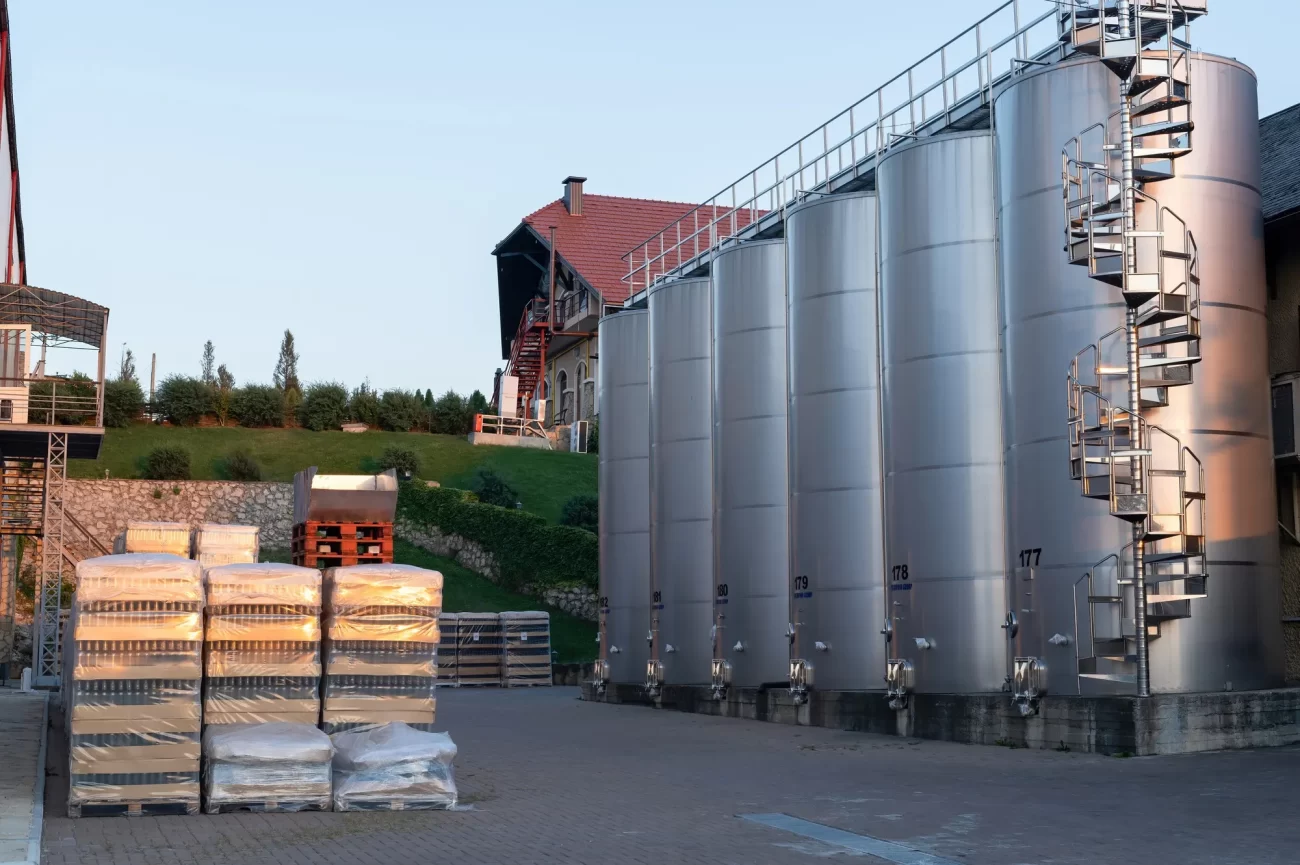
India, one of the world’s largest producers of food grains, has long faced a critical challenge—insufficient and inefficient storage infrastructure. Post-harvest losses, lack of scientific storage, and centralized warehousing systems have often limited farmers’ income potential and affected food security. To address these systemic gaps, the Government of India approved the “World’s Largest Grain Storage Plan in the Cooperative Sector” on 31 May 2023, marking a major step toward strengthening rural agri-infrastructure.
Objective of the Plan
The primary aim of the scheme is to:
- Eliminate storage shortages across the country
- Build decentralized, scientific storage systems at the grassroots level
- Empower farmers through cooperative institutions
- Reduce post-harvest losses and improve price realization
Key Features of the Scheme
1. Infrastructure Development at PACS Level
The plan focuses on developing infrastructure at Primary Agricultural Credit Societies (PACS) and other cooperative societies. Key facilities include:
- Modern grain storage godowns
- Custom Hiring Centers for farm machinery
- Food processing units
- Fair Price Shops (FPS)
This decentralized model ensures that storage and value addition facilities are available closer to farmers.
Modern storage infrastructure combined with digital monitoring tools is transforming agriculture. Explore more innovations in our Agri-Tech section.
2. Convergence of Government Schemes
The plan integrates multiple flagship schemes to maximize benefits:
- Agriculture Infrastructure Fund (AIF)
- Agricultural Marketing Infrastructure (AMI)
- Sub Mission on Agricultural Mechanization (SMAM)
- PM Formalization of Micro Food Processing Enterprises (PMFME)
This convergence allows cooperatives to access credit, subsidies, and technical support under a unified framework.
These initiatives are part of broader agriculture policy reforms in India, focusing on infrastructure and farmer empowerment.
3. Financial Incentives and Policy Reforms
Several reforms have been introduced to make the scheme more accessible and financially viable:
Under AIF:
- Interest subvention provided on loans
- Credit guarantee extended from 2+5 years to 2+8 years
- Effective interest rate reduced to as low as 1% with NABARD refinance support
Under AMI:
- Margin money reduced from 20% to 10%
- Construction cost revised to:
- ₹7000/MT (plain areas)
- ₹8000/MT (Northeast states)
- Subsidy increased to 33.33%
- Additional 1/3 subsidy for ancillary infrastructure like:
- Internal roads
- Weighbridges
- Boundary walls
4. Assured Utilization of Warehouses
To ensure economic viability, the Food Corporation of India (FCI) provides:
- 9-year uniform hiring assurance for warehouses built under the scheme
This guarantees steady income for cooperatives and reduces investment risk.
Implementation Framework
A structured and time-bound approach has been designed through a Standard Operating Procedure (Margdarshika):
- Identification of PACS
- Selected by State Cooperative Departments based on land and viability
- Approval Process
- Cleared by District Cooperative Development Committee (DCDC)
- Hiring Assurance
- Issued by agencies like FCI, NAFED, NCCF, or State departments
- Project Planning
- Preparation of Detailed Project Report (DPR)
- Financing
- Loan and subsidy application through District Central Cooperative Banks (DCCBs)
- Construction Timeline
- Project completion targeted within 6 months
- Operationalization
- Warehouse handed over to cooperative for business use
Flexibility in Execution
The scheme allows:
- Construction by PACS directly, or
- Through State agencies or Project Management Consultants (PMCs)
All projects must adhere to standardized design, branding, and quality norms.
Current Progress and Coverage
- 378 districts/locations identified with storage gaps
- Total storage deficit: 46.92 lakh metric tonnes (LMT)
- 560 cooperative societies identified
- 120 godowns completed
- Storage capacity created: 72,702 metric tonnes (MT)
Further expansion is underway with states identifying additional land and cooperatives.
Integration with Horticulture and Cold Chain
The plan goes beyond grain storage by enabling:
- Cold storage units
- Pack houses
- Refrigerated transport
These are supported under the Mission for Integrated Development of Horticulture (MIDH), helping farmers involved in fruits and vegetables reduce spoilage and access better markets.
Impact on Farmers and Rural Economy
1. Reduced Post-Harvest Losses
Scientific storage minimizes spoilage, especially in rural areas lacking infrastructure.
2. Better Price Realization
Farmers can store produce and sell when market prices are favorable.
3. Strengthened Cooperative System
PACS evolve into multi-service centers, enhancing rural economic activity.
4. Employment Generation
Infrastructure development and operations create local jobs.
5. Improved Food Security
Efficient storage ensures stable food supply across regions.
The adoption of decentralized storage models reflects growing innovation in agriculture systems.
Conclusion
The World’s Largest Grain Storage Plan in the Cooperative Sector represents a transformative reform in India’s agricultural ecosystem. By decentralizing storage, integrating multiple schemes, and empowering cooperatives, the initiative not only addresses infrastructure gaps but also strengthens farmer income, rural livelihoods, and national food security. This initiative is poised to become a global model for sustainable and inclusive agricultural infrastructure development.